Picture Book Review: Candy Corn Christmas by Jonathan Fenske

Candy Corn Christmas
Author: Jonathan Fenske
Illustrator: Jonathan Fenske
Little Simon
9 September 2025
40 pages

This month’s PB review is by Ryan G. Van Cleave (Owner/​Operator of Only Picture Books) and freelance illustrator Edna Cabcabin Moran.

Ryan’s Review of the Writing

Candy Corn Christmas! has a playful premise: the candy corn left behind after Halloween get tired of waiting in their pumpkin pail and wander straight into Christmas. That jump is the book’s best move. The candy corn feel like kids discovering a holiday for the first time, bouncing from tree to stockings to eggnog with total confidence and zero understanding of boundaries. That sense of mischief gives the book oomph. The pacing stays quick, almost episodic, which works well for a story built on discovery—it keeps kids moving right along with the candy corn.

The art does most of the heavy lifting, and Fenske’s illustrations are lively and fun. The spreads are busy in the best way, full of tiny jokes and expressive candy faces that kids will spot right away. When the candy corn zip across ornaments or dunk themselves in nog, the pages pop. I’ll let Edna talk far more concretely about the art, but to my eye? The whole visual world feels loose, bright, and energetic. There’s also an easy, chatty confidence to the narration that helps the candy corn feel like a little chorus of eager kids, which gives the book a friendly, accessible voice from page one.

The emotional moment arrives when a candy cane tries to shove them back to “their” holiday. It’s clear, simple conflict that sets up Santa’s entrance. Santa’s brief mix-​up and quick course-​correct land well, and the ending settles into a cheerful, everyone-​belongs kind of holiday note without overworking the message. Kids will instantly recognize the moment when someone says, “You don’t belong here,” so the book’s turn toward welcome lands in a way little readers can feel even before the text explains it.

The book’s rhyme has enthusiasm, and Fenske hits those end rhymes with confidence. The rhythm getting there wobbles now and then, though, in a way adults will hear but still remain fun for kids. It’s charming in its own loose, bouncy way even if the scansion isn’t fully locked in.

Overall, the idea is cute, the art is genuinely fun, and kids will enjoy the candy-​corn-​chaos of it all. The visuals and the concept pull readers through with plenty of good-​natured holiday energy.

4 out of 5 candy corns


Edna’s Review of the Illustrations

As someone who isn’t a fan of the orange, yellow, and white-​striped confections, I found myself completely won over by a charming throng of candy corn creatures. These rollicking fellows with their antics and liveliness greatly enhance Jonathan Fenske’s rhyming picture book, Candy Corn Christmas. Illustrations tinged with subversive humor pulled this reader into a sharply-​drawn world and storyline that kept me at the edge of my seat.

Fenske’s line art candy corns are a standout in each cleanly-​rendered, digitally-​painted page. The candy corns themselves are given active and expressive personalities which make them easy to follow. Candy corns all look alike, right? So, the artist did well to give these guys expressive faces and distinguishing features with different types of mouths and teeth, googly eyes with eyebrows and, in some cases, costume pieces. Look for the candy corn wearing the green elf hat and one donning a Canadian maple leaf flag.

The use of line art as a narrative device is a wise artist choice providing readers a chance to appreciate candy corns as individual characters. This is especially important given that the pace of the story moves so quickly that there’s a risk of noticing gags more than caring about the characters themselves. 

Line art highlights details such as candy corns feeling bored and stale around an old familiar pumpkin pail, and candy corns showing interest in the sound of singing and bells coming from another room. When the candy corns invade the Christmas confections’ space, Fenske’s use of line art successfully shows displeasure and worry emanating from the sugar plums, chocolate log, and candy cane.

**Spoiler alert in the next paragraph!**

Tensions rise when Santa shows up and he does the unthinkable, taking an actual bite (though it’s mentioned as a nibble) from a candy corn. The artist’s repetition of layout and close-​up action serves to increase story tension plus provide some comic relief. There’s Santa down on the ground examining the band of candy corns right before an extreme close up of Santa bringing a candy corn to his mouth. Then there’s another page showing Santa standing next to the candy corns (in the same line up as before) with one of them saying “My baby,” followed by a page showing a smiling, carefree Santa holding a traumatized, gooey candy corn in his palm. These pages will render this book less suitable for younger kids. While the graphic details surprised and cracked me up as an adult, I welcomed the relief of knowing that the candy corn did survive.

As mentioned earlier, this book contains both funny and subversive elements fueled by illustrations that will hold reader interest up to the very end. An entertaining book filled with details and visual intrigue for the older picture book set, pre‑K, and above.
4.5 out of 5 candy canes 

Edna Cabcabin Moran is an author/​illustrator, multi-​disciplined artist, and STEAM and integrative arts educator. Her latest picture book, Honu and Moa received an Aesop Accolades. Edna is currently working in picture books and comics and has a middle grade graphic novel in progress. Edna has a comic in the newly-​released middle grade anthology, Let’s Go!: A Kids Comics Studio Anthology. She is also a contributing poet in the upcoming March 2026 anthology, For the Win: Poems Celebrating Phenomenal Athletes (Carolrhoda Books).

https://kidlitedna.com

IG: @kidlitedna

Industry Insights: The “So What?” Test

In lieu of an industry interview, we’re going a different route today. Since this is the Season of Thanks, I’m offering something I think writers will be thankful for. It’s something editors and agents wish more writers understood: your picture book needs to answer one question fast—so what?

Not in a mean way. But more like a who is this for and why will it matter to them? way.

Because here’s the thing: your manuscript doesn’t just need to convince5 So Whats: Prioritizing Improvement Opportunities - CX Journey™ an editor. It needs to work for the art director planning page turns, the sales rep pitching to Barnes & Noble, the librarian deciding what to order, the teacher choosing a readaloud book for the classroom, and the grandparent standing in the aisle at Target.
If you can’t answer “So What?” clearly, nobody else can either.

What “So What?” Actually Means

It’s two things:

  1. Who needs this book? (Age range + the specific kid experience you’re addressing)
  2. What does it give them? (Not a theme. A benefit they can feel.)

Example:

  • Weak: “It’s about friendship.”
  • Strong: “It’s for 4–6 year olds learning how to navigate their first disagreements with friends. It shows them that saying sorry doesn’t mean you’re wrong, just that you care.”

See the difference? The second one tells everyone in the pipeline exactly who to sell it to and why a parent or teacher would buy it.

How to Prove It in Your Manuscript

Once you know your “So What?,” make sure your manuscript delivers it across all 32 (or more!) pages.

  • Does your main character’s problem match the reader’s real-​life struggle?
  • Does the story show (not tell!) how to handle that struggle in a way kids can try themselves?
  • Does the story create natural visual moments and pacing that support the So What?

If you can’t clearly picture the shelf it belongs on or the specific kid who needs it after reading your opening, that’s your revision signal.

The “So What?” Statement

Try this: This book is for [age] about [specific kid problem]. It helps them [what they’ll learn/​feel/​do] through [the story’s approach].

If you can say that out loud without hedge words like “kind of” or “explores the idea of,” you’re on the right track.

Let’s look at a real example:

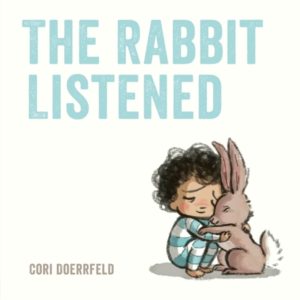
The Rabbit Listened is for 3–6 year olds who’ve experienced something upsetting and don’t know how to feel better. It helps them understand that sometimes you don’t need solutions or advice—you just need someone to sit with you and listen—through a story where different animals offer different types of comfort until Rabbit shows up and simply stays.”

That’s a “So What?” every role in the pipeline can work with. The editor knows it’s a social-​emotional title. The art director can visualize quiet, tender moments. The sales rep can pitch it to the feelings/​comfort shelf. And the parent shopping at their local indie bookstore immediately knows if their kid needs this book right now.

Your turn. Write the “So What?” for your current manuscript. If it lands clearly—no hemming and hawing, no vague language—you’ve got a solid foundation. But if you’re struggling to articulate it? That’s valuable information too. It usually means the manuscript itself needs clearer focus before it’s ready to send out.

Reading Activities: Sleep Tight, Disgusting Blob by Huw Aaron

Sleep Tight, Disgusting Blob
Author: Huw Aaron
Illustrator: Huw Aaron
1 July 2025
Viking Books for Young Readers
32 pages

Book description from Goodreads: “Whether you are a vampire or a ghost, a werewolf or a yeti, a bedtime routine is absolutely essential for a good night’s sleep. Adults and children will fall in love with Blob and the whole cast of monsters as they brush their teeth, put on their pajamas, and get tucked up in bed.

Warm, loving and slimy, this hilarious rhyming picture book is the perfect addition to bedtime reading, ending with a kiss and sweet dreams for all.”


Need some reviews of Sleep Tight, Disgusting Blob?


Reading Activities inspired by Sleep Tight, Disgusting Blob:

  • Before Reading–From looking at the front cover: 
    • What kind of creature do you think the “disgusting blob” is?
    • How does the cover mix scary and funny details?
    • What do the colors on the cover make you feel? Cozy? Creepy? Something else?
    • What bedtime items can you spot? What do they tell you about this world?
    • What questions would you like to ask Huw Aaron before reading the book?
  • After Reading–Now that you’ve read the story: 
    • How does the parent blob show love, even while calling the child “disgusting”?
    • What bedtime routines in the story are like yours?
    • Which part of the rhyme made you laugh or cringe the most?
    • What do the pictures show that the words don’t say?
    • Why do you think the author ends the story with “I love you, disgusting blob”?
    • How does this book make bedtime feel less scary and more funny?
    • If you could ask the author one question about this story work, what would it be?
  • Night Check Patrol: In the story, bedtime is a full operation — teeth, pajamas, settling the chaos of many different monsters. Pretend you’re Head of Night Patrol. Walk through your bedroom with a clipboard and list 3 things that need to be “secured for the night.” (Example: “All crayons capped,” “Lego trap cleared,” “Snacks moved away from ooze.”)
  • Gross-​but-​Sweet Poetry: The book uses bouncy rhyme to tuck a monster in with love and patience. Try writing a 4‑line bedtime rhyme to a creature of your choice.
    Example:
    “My little swamp goblin, it’s time to lie down.
    Wipe off the grave dirt, remove your frown…”

    Challenge yourself to mix gross details and actual tenderness, the way Mummy Blob does.
  • Create Your Own Disgusting Blob: Fold a blank page in half. On the left, draw your blob during the day (chaotic, sticky, maybe throwing slime). On the right, draw the same blob at bedtime (pajamas, story time, tucked into a “lovely damp” pillow). Add labels like “bed goo,” “eyestalk warmer,” “charging cable,” etc.
  • Make a Monster Bedtime Chart: Draw a list of nighttime steps for a new monster: brushing fangs, folding wings, feeding pets, etc. Add silly drawings and sound effects for each step.
  • Monster Room Design: Imagine what the Blob’s bedroom looks like. Sketch or collage it. What’s on the walls? What’s under the bed? What counts as “cozy” in a monster world?
  • Books, Books, and More Books! Check out these picture books that celebrate bedtime, comfort, and slightly chaotic evenings:

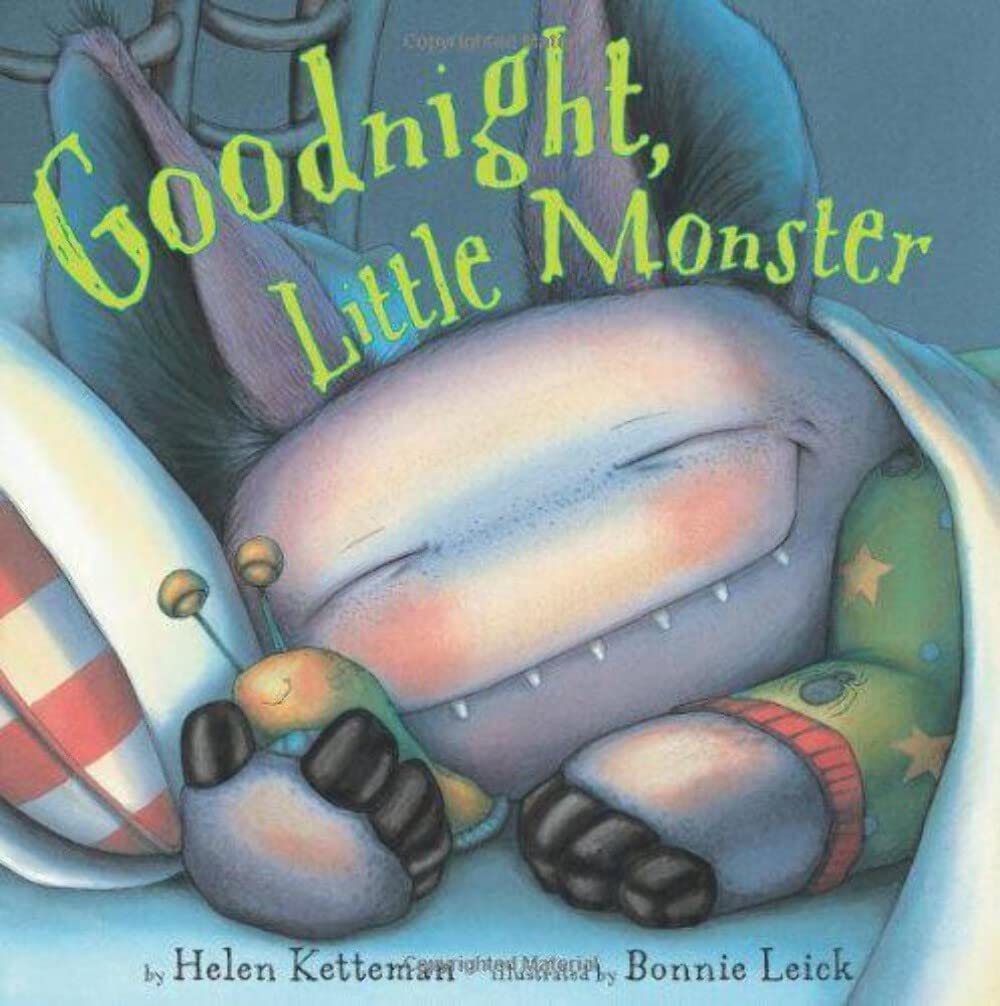
Good Night, Little Monster by Helen Ketteman, illustrated by Bonnie Leick
A bedtime routine book where a young monster resists sleep while Monster Mama patiently guides the process.


Library Lion by Michelle Knudsen, illustrated by Kevin Hawkes
A gentle, love-​the-​library story about calm, rules, and care at closing time.


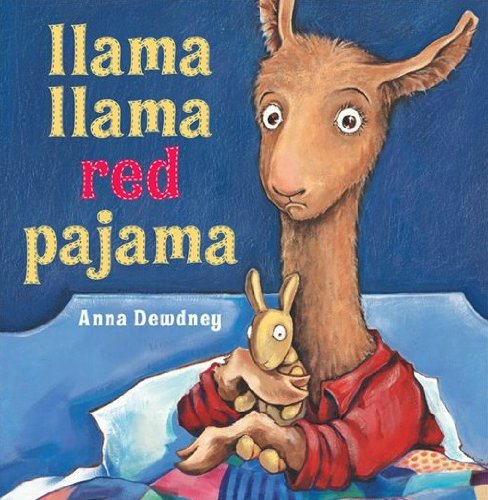
Llama Llama Red Pajama by Anna Dewdney
Classic panic-​at-​bedtime energy filled with big feelings, reassurance, and a loving reminder that comfort always returns.


Pigeon Needs a Bath! by Mo Willems
One very opinionated pigeon insists he’s perfectly clean until bath time finally turns into bubbles, calm, and bedtime readiness.


The Quickest Bedtime Story Ever! by Louise Fitzgerald, illustrated by Kate Hindley
A fast-​talking narrator tries to rush a kid to sleep in record time, with silly interruptions and increasingly desperate bargaining — great for bedtime power struggles.

Author Interview: Keyshawn Johnson & Bettina Bush

Each year, I work as a ghostwriter on a few celebrity kidlit projects. No oneKeyshawn Johnson Wants the N.F.L. to Remember Its ‘Forgotten Four ... knows which ones, of course. That’s the “ghost” part of the equation.

Every so often, I get to collaborate instead of ghost, which means I can actually talk about the process. Today’s post is about one of those rare projects: a picture book I co-​created with Super Bowl champion and sports commentator Keyshawn Johnson and voice actress and singer Bettina Bush.

Once Upon a You—Keyshawn’s first picture book—shows kids everywhere that they’re the authors of their own destinies. Let’s hear more from Keyshawn and Bettina about the book, their creative process, and their friendship.Bettina Bush | Host, Speaker, Voice Artist & Advocate for Multiculturalism


RVC: So, the two of you are a creative powerhouse. How did your relationship first begin?

BB: That’s a funny story actually! [Laughs] About 15 years ago.…

KJ: Bettina and I go way back. We’re neighbors and she was walking down the street with her baby daughter. I came out the front door and Cassie pointed at me and said, “Daddy!” [Laughs]

Bettina was like “You look nothing like my husband but she must be thinking of my dad!” It was an immediate friendship. Bettina and my wife Jen are very tight and our kids and families have always been close.

RVC: When did you first realize you might want to create something together?

BB: It sort of evolved naturally. We’d talk about our kids, about legacy, and about how powerful stories can be in shaping who we become. One day we realized—wait, this is the story we should be telling.

KJ: Bettina’s got this incredible creative energy, so when she said let’s start with a children’s book and see where we want to go from there, I said, “Okay, I trust you.  Let’s go!”

RVC: Hah. Love it.

KJ: And I’ll definitely say we’re just getting started.

RVC: What drew you both to picture books—and this idea in particular?

BB: I’ve always believed stories are the bridge between imagination and identity. Picture books are where that starts. You see yourself reflected in these beautiful images and words, and it shapes the way you dream.

RVC: Absolutely!

KJ: Picture books are special. They’re one of the first places where a kid starts to dream big. I’ve read to my kids plenty of nights, and I know the kind of magic that happens when a story really lands. This idea—Once Upon a You—was about showing kids that their story matters, that they have control over their own path. That spoke to both of us.

RVC: The title Once Upon a You sounds like an invitation. How did that phrase come about?

KJ: We wanted something that felt classic, like a fairy tale—but flipped. “Once upon a time” is what we all know, but this is your story. You’re you. When Bettina said “Once Upon a You,” I was like, “That’s it right there.” It’s simple, but powerful.

RVC: Keyshawn, what surprised you most about the world of children’s publishing once you jumped in?

KJ: How collaborative it is. I mean, I’ve been part of teams my whole life, but this is a different kind of teamwork. There are editors, illustrators, designers—all focused on every detail to make sure it connects. And I’ll be real, I didn’t know how much time and heart goes into one 32-​page book. It’s a grind, but a rewarding one.

RVC: Bettina, as someone who’s worked in voice and music, how did your storytelling instincts translate into this medium?

BB: It’s actually very natural. Music, voice acting, writing—they all come from rhythm and emotion. With picture books, you’re writing a kind of song. Every line has a cadence, every page turn is a beat. You have to feel the flow of it. My background in performing helps me hear the story in my head—the tone, the warmth, the rise and fall. It’s all about creating an emotional melody through words.

RVC: What did collaboration look like day-​to-​day? Were you trading drafts, voice notes, Zoom calls, or late-​night texts?

KJ: All of the above! [Laughs]

We’d text ideas at random hours, hop on calls, send each other notes—it was constant communication. We both have busy lives, but when something feels right creatively, you find the time. It was like running a two-​minute drill, but for storytelling.

BB: The energy was always flowing. What made it special was that there was such mutual respect—we trust each other’s instincts, and that made the process really joyful.

RVC: How did seeing the illustrations for the first time change how you felt about the story?

BB: That was honestly magical. When we saw the art come to life, I teared up. You have this vision in your mind, and then suddenly there it is, breathing and full of color and emotion. The illustrator captured the heart of the story perfectly—it was like watching your imagination step off the page and smile back at you.

KJ: Oh man, that was emotional. The first time I saw the art, it hit me how real it all was. You write these words, you talk about concepts, but when an illustrator brings that to life—it’s like seeing your vision walk off the page. It gave me chills.

RVC: The book’s message—“you’re the author of your own destiny”—feels both empowering and personal. Why was that message important to you?

BB: Because it’s true for every single one of us. I’ve lived many creative lives—music, acting, producing—and through all of it, I’ve learned that no one writes your story but you. I want every child to feel that sense of agency and possibility. That message is something I live by, and it’s something I want to gift to my own kids and to every reader.

RVC: Love it. How about for you, Key? 

KJ: Because that’s my life, straight up. I wasn’t handed anything. I had to work, stay focused, believe in myself even when others didn’t. That’s what I want kids to understand—it doesn’t matter where you start, you have the power to shape your story. That’s the message I wish someone had told me when I was young.

RVC: Was there a line or image in the book that hit you emotionally once it was on the page?

BB: There’s a moment that talks about “the light that lives inside you.” That one really got me. It’s such a simple line, but it holds so much truth. We all have that light—it just needs to be seen, nurtured, and believed in. Seeing that line surrounded by such beautiful illustrations—it gave me goosebumps.

KJ: The part where it talks about “the moments that make you you.” That hit me hard. It reminded me of my kids, my journey, all the things that shaped me along the way. It’s not just about success—it’s about identity, and being proud of who you are.

RVC: What do you hope kids (and parents) take away after reading Once Upon a You together?

BB: I hope they take away a sense of wonder and ownership over their stories. For kids, that they can dream big and define who they are. For parents, I hope it opens up conversations about self-​belief and creativity—and maybe even helps them see themselves through their children’s eyes again.

KJ: For kids, I want them to know they’re capable of amazing things and to ignore anyone who tells them otherwise. For parents, I hope it sparks conversations—about dreams, resilience, and love. Reading together can be such a grounding moment.

RVC: Since COVID, I often ask a health and wellness question in OPB interviews. With both of you being so busy with work and family, I’m really curious—what do you do to destress? 

BB: Music is my therapy. I’ll sing, write, or just put on a playlist and let myself breathe. And honestly, being outside helps—whether walking my dog, going to the beach, or just sitting in the sun. I also try to unplug and be present with my family.

KJ: For me, it’s simple—working out, getting outside, spending time with my family. I need that balance. I’ll hit the gym, then come home and just watch a game with my kids. That’s the reset button right there.

RVC: So, every author interview at OPB has two parts: the main interview, and then the SPEED ROUND. And it’s time to get zippy. Are you both ready for quick questions and fast answers?

BB: Yep!

KJ: Let’s do it!

RVC: What’s one thing fans would be surprised to learn about you?

BB: I climbed Mt. Kilimanjaro when my kids were little!

KJ: I can’t swim.

RVC: What snack fuels your creativity?

BB: French fries with ranch.

KJ: Chips and really good salsa.

RVC: You can invite any three people—real or fictional—to storytime. Who’s on the rug?

BB: My dad and my two kids. I’d give anything to watch them together at this age.  I’m 100% certain they’d blow each other’s minds in the best ways.

KJ: Three kids who don’t have books.

RVC: If Once Upon a You had a mascot, what would it be?

BB: A butterfly. Magical growth and beauty.

KJ: Probably a lion. Courage and heart—the stuff we want kids to feel when they read the book.

RVC: A picture book you loved as a kid that still sticks with you?

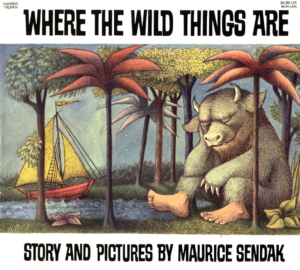
BB: Where the Wild Things Are. It’s about imagination, courage, and coming home to yourself. That story never leaves you—it grows with you.

KJ: The Giving Tree. That one’s timeless. Simple message, deep meaning. I’ve read it to my kids too, and it still hits the same.

RVC: What’s one word that captures Once Upon a You?

BB: Becoming. Because it’s all about the journey of who you are, who you’ve been, and who you’re meant to be.

KJ: Empowerment. That’s it. It’s about owning your story—no matter where it starts or where it goes.

RVC: That was terrific—thank you both for sharing the behind-​the-​scenes magic!

Five-​Word Reviews: November Picks

Fresh releases, sharp impressions—five-word snapshots of picture books worth noticing.

Turns out, five words go a long way. I’ve done quite a few of these picture book speed-​dates this year, and they’re still one of the most-​requested features on the blog. No theme this time—just a fresh mix of the funny, strange, and beautifully told. Maybe one will follow you home.


And They Walk On
Author: Kevin Maillard
Illustrator: Rafael López
Roaring Brook Press
14 October 2025
4o pages

Ryan’s five-​word review: Grief walks beside us, gently.

4.5 out of 5 memory seeds 🌱


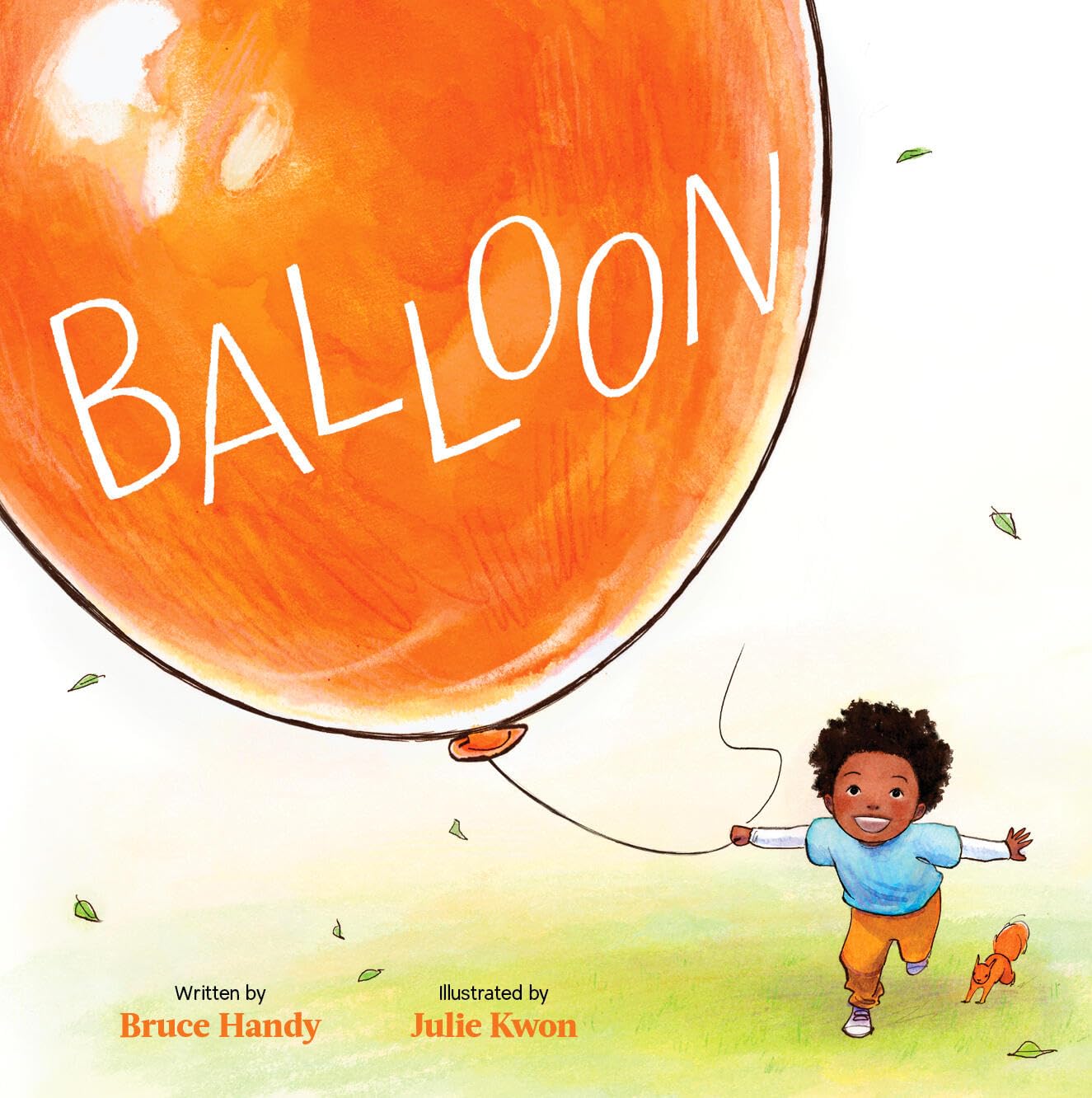
Balloon
Author: Bruce Handy
Illustrator: Julie Kwon
Chronicle Books
14 October 2025
44 pages

Ryan’s five-​word review: Tender hearts float, then land.

4.5 out of 5 orange strings 🎈


Moon Song
Author: Michaela Goade
Illustrator: Michaela Goade
Little, Brown Books for Young Readers
7 October 2025
40 pages

Ryan’s five-​word review: Dark woods glow with wonder.

4.5 out of 5 moonlit paths 🌕


Seven Babies
Author: Forest Xiao
Illustrator: Forest Xiao
Candlewick
26 August 2025
32 pages

Ryan’s five-​word review: Baby blitz. Love multiplies fast.

4.25 out of 5 bath splashes 🛁


Yellow Is a Banana
Author: John Himmelman
Illustrator: John Himmelman
Harry N. Abrams
7 October 2025
40 pages

Ryan’s five-​word review: Sibling logic spirals. Language mayhem.

4.25 out of 5 sibling standoffs 🧦

Industry Insights: 11 Green Lights (and 5 Red Flags) in Editorial Assistant Applications

I recently hired an editorial assistant at my press, and the submissions were pouring in—hundreds of emails from eager applicants hoping to land a first job in publishing. After combing through the first few dozen, patterns start to leap off the screen. Some made me think yes, please. Others sank themselves before I even opened the attachment.

That made me realize this was a timely topic for an Industry Insights piece. So, here we go! Your mileage may vary with the following, but if you gave me a root beer and asked for my advice, this is more or less what I’d offer if you asked me.


If you’re applying for an entry-​level editorial role—or any publishing position that involves words, organization, and people—these are the signals that stand out for all the right reasons.


Green lights

  1. A subject line that says the job and your value
    “Editorial Assistant application – copyediting + kidlit marketing experience.”

  2. A three-​sentence opener that orients me
    Who you are, what you’ve done, what you can do for this role. Clear and human.

  3. Evidence you understand children’s books
    Name two or three recent picture books by title and publisher and one sentence on why they work.

  4. Proof you can handle details
    One paragraph describing how you track tasks, version files, and meet deadlines.

  5. Clean, calm formatting
    Consistent headers, white space, one font. No design experiments.

  6. A real line about why this press
    Show me you looked at our list. Mention a title and connect it to your skills.

  7. Transferable skills with receipts
    “Managed a 200-​entry submissions inbox with a 48-​hour acknowledgment target.”

  8. Comfort with the tools
    State proficiency levels for Google Workspace, Track Changes, Airtable, or Sheets, Zoom.
  9. Professional presence online
    If you include a website or LinkedIn link, make sure it’s current, typo-​free, and reflects the kind of work you want to do. I always check.

  10. Service mindset
    One sentence that shows you anticipate needs: scheduling, prep docs, recap notes.

  11. A respectful close with one ask
    “I’m glad to complete a short paid task if helpful. Thank you for the consideration.”


Red flags

For every polished, intentional application, there’s another that goes sideways in seconds. None of these mistakes are fatal—but each one quietly signals inexperience or carelessness.

  1. Generic cover letters that could go anywhere
    If I can swap in another press name and nothing breaks, I assume you didn’t prepare.
  2. Fuzzy timelines
    If your résumé lacks dates or uses vague ranges, I wonder what’s missing.
  3. Attachments named “Resume.pdf” or “document”
    Files without your name disappear fast in busy inboxes.
  4. Samples I cannot open
    Make sure permissions are appropriately set. Test them while logged out.
  5. Over-​promising
    Keep claims specific and verifiable. Confidence is welcome. Inflating is not.

One last thing

Every job in publishing starts with trust. Can you handle words carefully? Can you manage people’s work and time respectfully? Those answers begin forming the moment your email lands. The best applications feel like a preview of how you’d operate on the job—organized, thoughtful, and aware that someone’s time is on the other end of the screen.

Publishing is a relationship business, even at the inbox level. The way you apply becomes the first example of how you’ll edit, communicate, and collaborate once you’re in the door.

I tell my students this all the time. EVERYONE remembers the candidates who made their job easier. That’s the real first impression.